
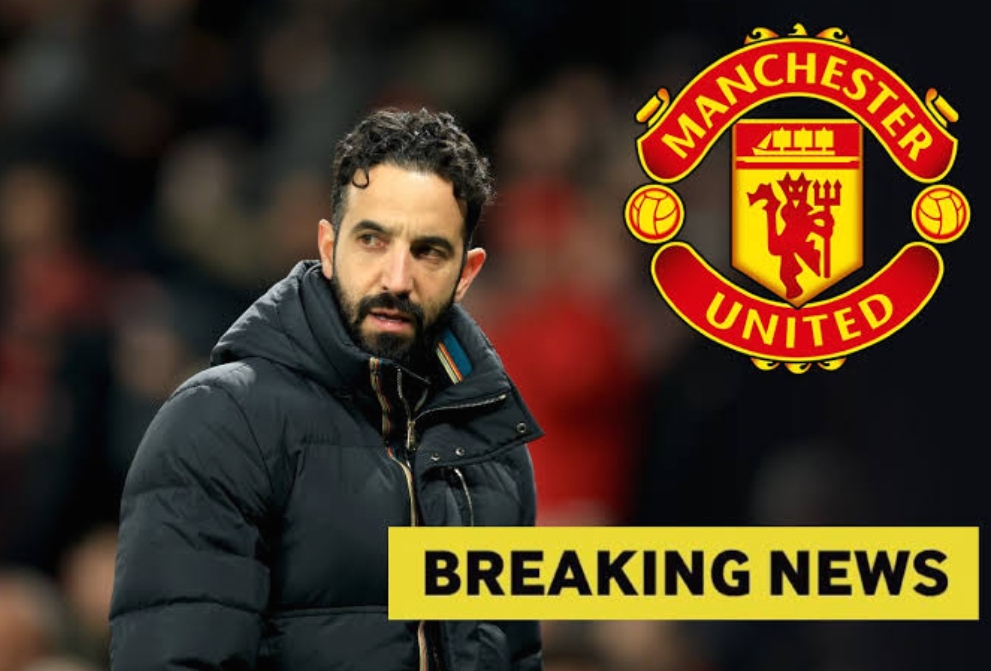
Although Amorim still had the backing of some experienced figures in the dressing room, others were unconvinced that his approach was suited to the realities of the Premier League.
A handful of players were reportedly relieved by his departure, feeling the situation had reached a breaking point, while younger squad members were left unsure how the change would affect their roles.
Club executives insisted the move was carefully considered rather than impulsive. In their view, delaying further risked making matters worse, wasting the January transfer window, increasing fan discontent, and extending the sense of uncertainty around the team. The draw with Wolves merely hastened a decision that had been approaching for some time.
There were also internal worries about what continued underperformance was signalling.
Dropping points at home to one of the division’s weakest teams, without any clear evidence of improvement, was seen as a step too far.
Fans reacted quickly and emotionally. Some supported the decision, saying it should have been made sooner. Others accused the club of acting too late once again, while many expressed fatigue at the repeated cycle of hiring and firing managers.
Reactions ranged from guarded optimism to outright doubt, with some supporters arguing that real change would only come with deeper reforms behind the scenes.
An interim manager is expected to be named shortly, with contingency plans already in place. Talks about a permanent replacement have also started, though the club is keen to avoid rushing into another long-term appointment.
Whether Amorim’s exit represents a genuine fresh start or simply another episode in United’s continuing instability is still unclear. What is certain is that the club has reached yet another critical crossroads.
The initial sense of relief may be temporary — the real test will be whether this time the club can demonstrate it has learned from the past and can move forward with a clearer, more stable vision.
